Fast Fashion
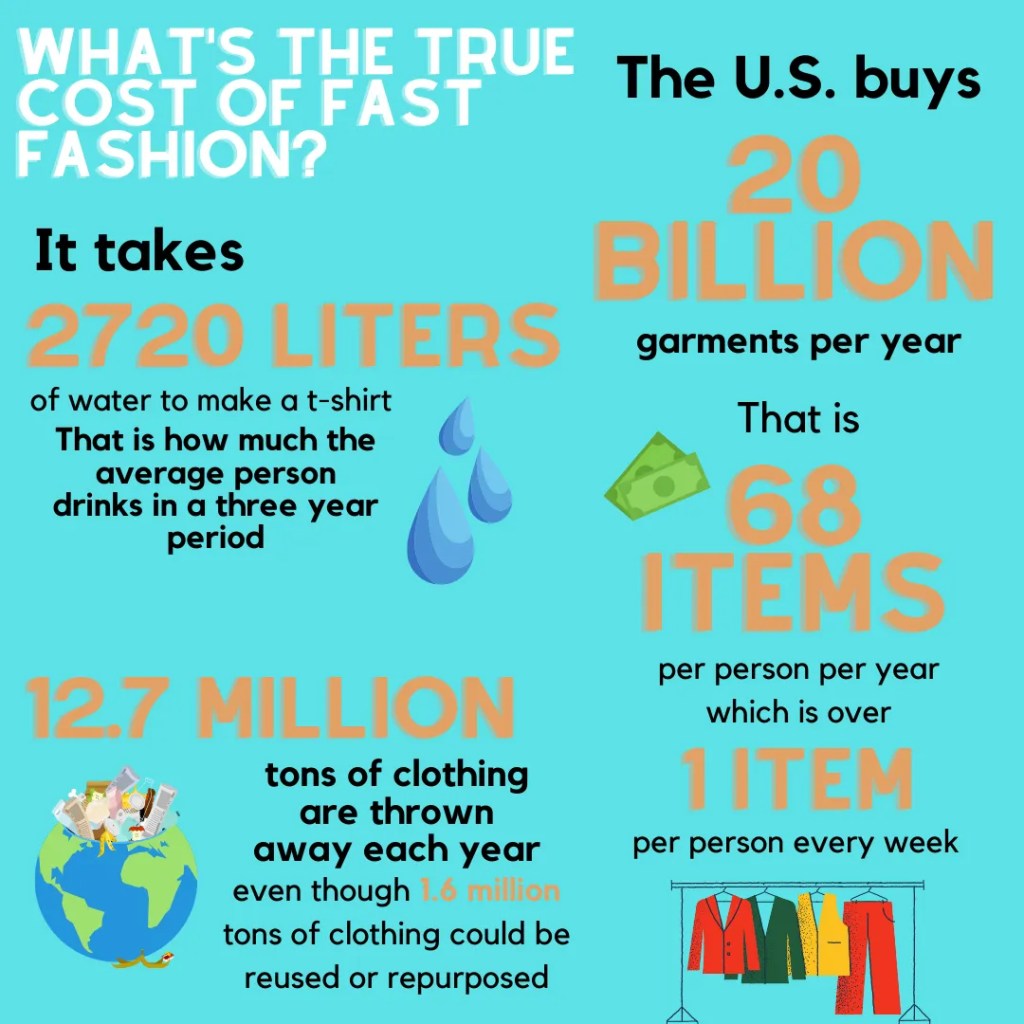
Fast fashion is a model built on producing large quantities of trendy clothing quickly and at low prices. Social media and pop culture constantly introduce new styles, encouraging us to buy more and replace clothing sooner. The result is a culture where clothing feels disposable. People now buy approximately 60% more clothing and wear it for about half as long. From producing raw materials and dyeing fabric to washing synthetic clothing and eventually disposing of it, each stage can affect the environment.
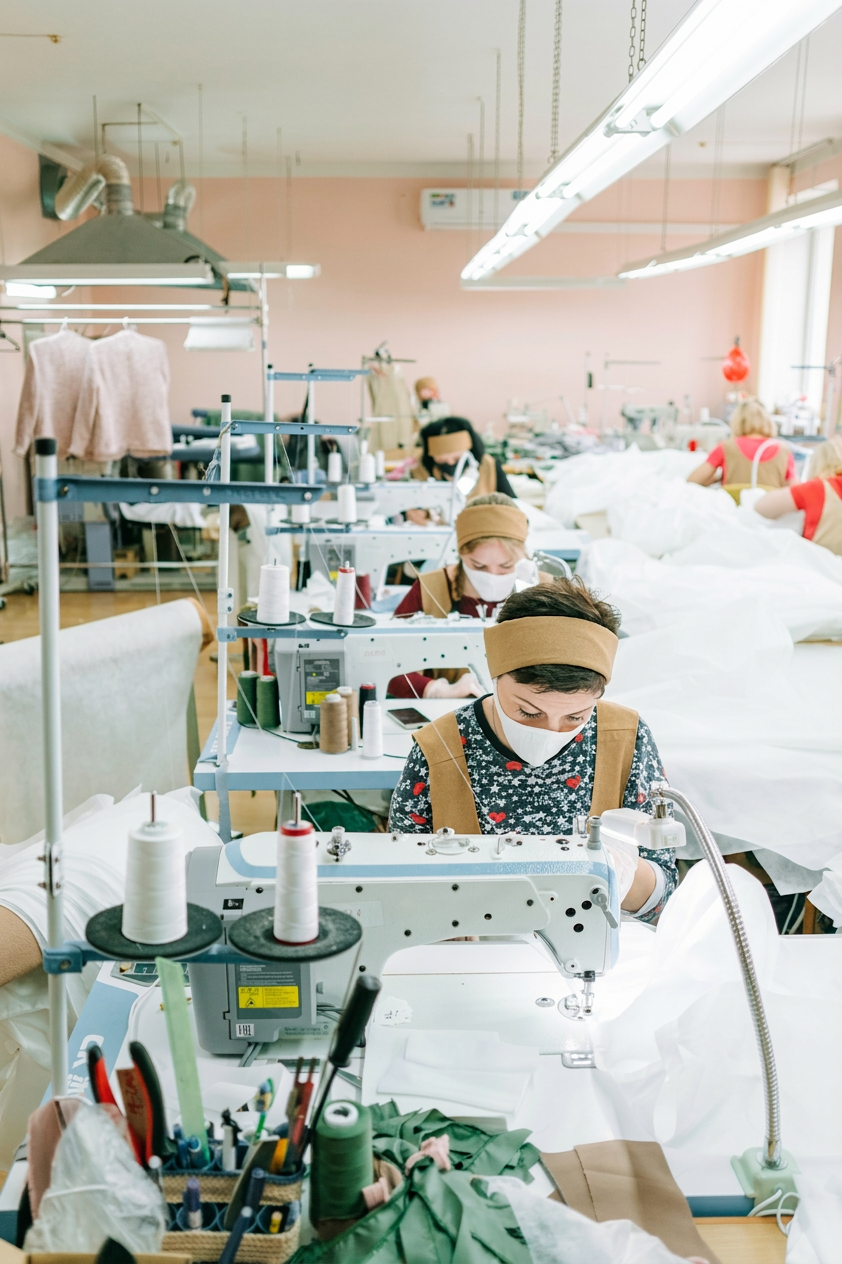
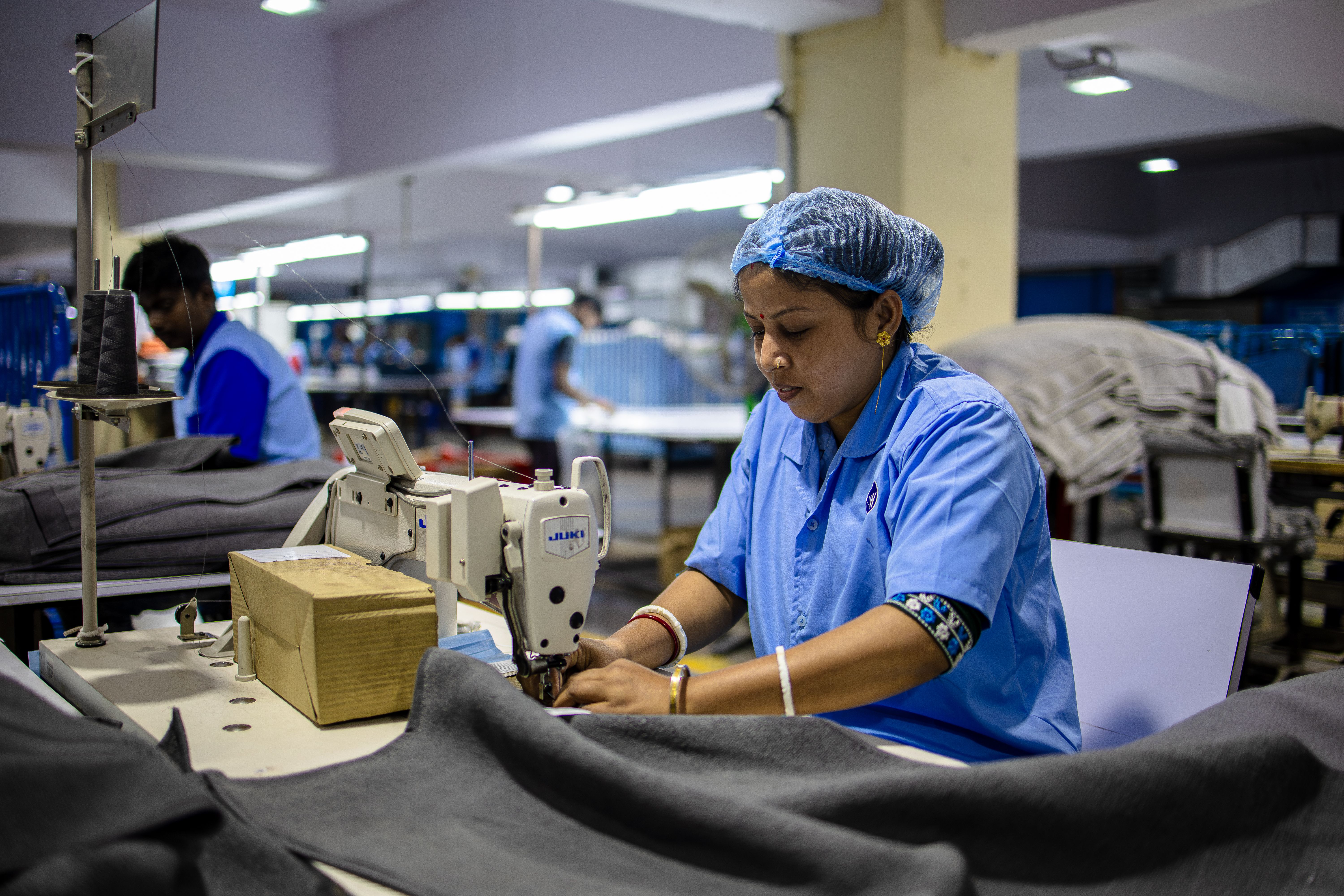
The industry also has a human impact. More than 90 million people work in the global textile and clothing sectors. The International Labor Organization has found persistent problems with low wages, long working hours, poor working conditions, and vulnerable employment within parts of the garment sector. Women make up about 80% of garment workers. These women are often discriminated against in pay, face harassment, and are limited in educational opportunities.
Where do our clothes come from and where do they go?
Every garment begins with a material.
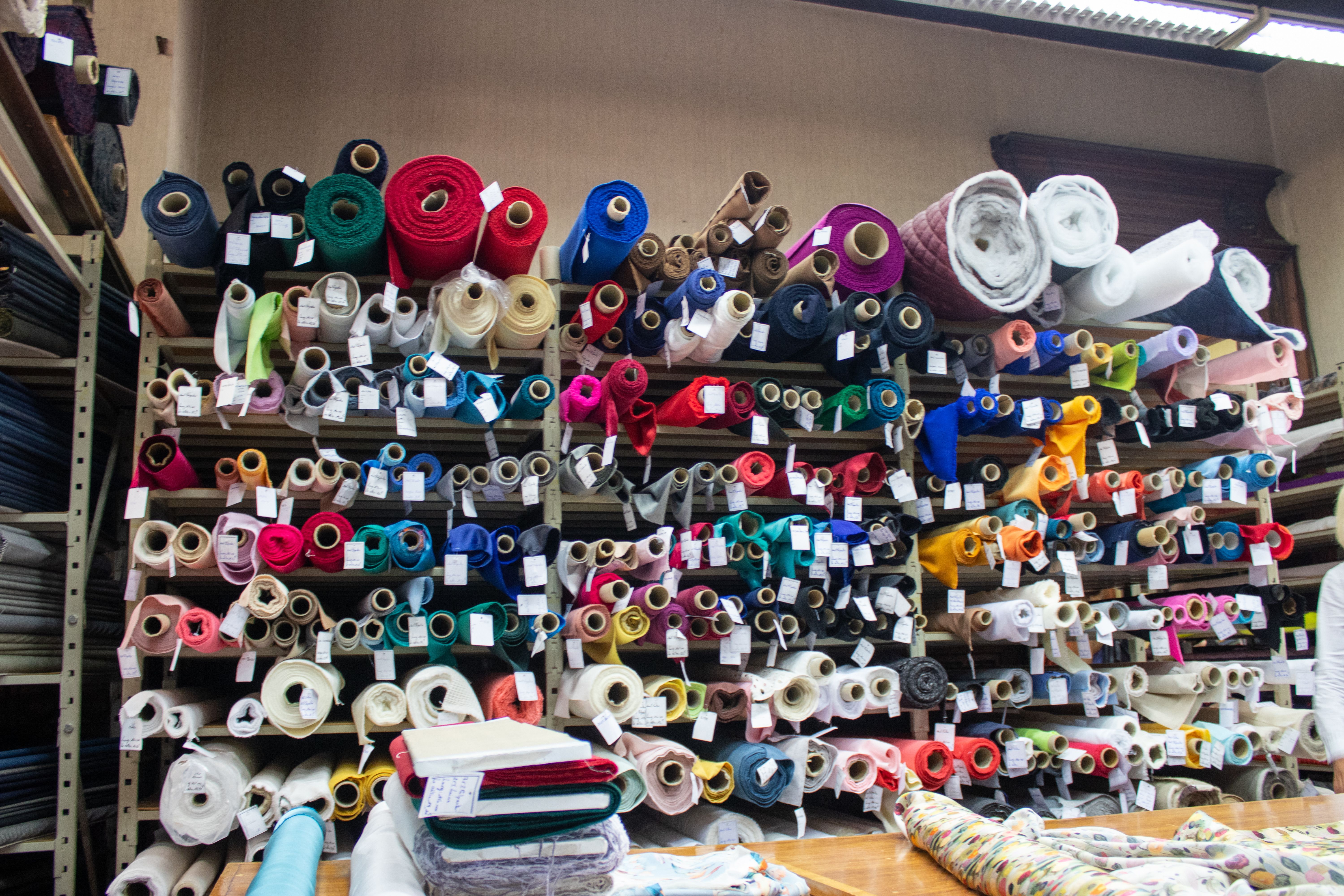
Natural fibers such as cotton require land and water to grow, while synthetic fibers such as polyester are manufactured materials. Before materials become everyday clothes, they have already created an environmental footprint.
Raw fibers are spun into yarn, woven or knitted into fabric, and often dyed and chemically treated. Fast fashion fabrics are then primarily shipped to Asia, the world’s largest garment-manufacturing region. International clothing companies frequently outsource production through global supplier networks, and although these jobs provide income to millions, low-cost production puts significant pressure on workers and factories.
Once manufactured, the clothing travels through distribution networks until it reaches stores, warehouses, and eventually us. And how long we keep clothing matters. We might donate shirts in hopes of finding another owner, or we might throw garments into the trash without a second thought. But ultimately, nothing is truly “away.”
Globally, people discard 92 million tons of clothing each year. Most end up in landfills, are incinerated, or otherwise lost from the clothing system. The Ellen MacArthur Foundation estimates that less than 1% of old clothing is recycled into new clothing.
Environmental Impact
Textile manufacturing requires large amounts of water, especially during dyeing and finishing. Garment production accounts for about 20% of global clean-water pollution, affecting waterways, ecosystems, and the communities that depend on them.
Producing, dyeing, and shipping all require energy, much of which still comes from fossil fuels. The fashion industry is estimated to produce 5–9% of global greenhouse gas emissions, contributing to rising temperatures and climate change.
Polyester and other popular synthetic fabrics are produced from plastic-based fibers. For every load of polyester laundry, approximately 700,000 microplastic fibers are released into our surrounding environments. Though clothing pollution may not always be visible, the Ellen MacArthur Foundation estimates that every second, the equivalent of a garbage truckload of clothing is landfilled or burned.
Ultimately, wearing what we already own may seem small, but multiplied across millions of closets can help challenge a culture built around disposability.